


As the leaves change color and the air grows crisp, preparing your pets for the fall season is essential to ensure they stay healthy and comfortable. Here’s what you need to know about adapting to colder weather, managing shorter days, navigating holiday foods, and adjusting your pet’s diet as the seasons change.
Cold Weather Adjustments for Dogs with Different Coat Types

As the chill of fall sets in, it’s important to consider the specific needs of your dog based on their coat type and fur length. Here are some tailored tips to keep your furry friend warm and well-groomed during the cooler months:
Short-Haired Dogs
- Insulation: Short-haired breeds like Chihuahuas and Greyhounds lack the natural insulation that their long-haired counterparts have. They will benefit significantly from a warm, well-fitted sweater or coat during outdoor activities.
- Bedding: Provide a warm, cozy bed away from drafts. A heated pet bed can also be a comforting option for these breeds that often struggle to retain body heat.
Long-Haired Dogs
- Coat Care: While long-haired breeds like Huskies and Malamutes are better insulated against the cold, their fur can easily mat and collect debris. Regular brushing is essential to prevent tangles and maintain the insulating properties of their fur.
- Trimming: It’s a common misconception that long-haired dogs should be shaved down during colder months. Instead, focus on trimming the fur around the paws, ears, and between the toes to prevent ice buildup and to keep them clean.
Double-Coated Dogs
- Avoid Shaving: For breeds with double coats, such as German Shepherds and Golden Retrievers, it’s crucial to maintain their natural coat. Shaving these dogs can actually interfere with their natural ability to regulate body temperature.
- Regular Brushing: Regularly brushing your dog helps to remove dead fur and skin, enhancing the coat’s ability to insulate and protect your pet from the cold.
Grooming Suggestions for Fall

- Moisturizing Baths: Cooler weather can dry out your dog’s skin. Consider using a moisturizing shampoo or schedule a spa day at the grooming salon to help keep their skin hydrated and healthy.
- Paw Care: Paws can become dry and cracked from cold weather. Apply pet-safe paw balms after walks to protect and heal paw pads. Also, keep the hair between their pads trimmed to prevent ice, snow, or mud from clinging.
- Dry and Clean: Make sure your dog is completely dry after baths or wet walks. Dampness can lead to cold and discomfort, especially in colder temperatures.
By adapting your pet care routine to accommodate the specific needs of your dog’s coat type and taking proactive steps in grooming, you can ensure that your pet stays warm, comfortable, and healthy throughout the fall season.
Dealing with Shorter Days

Shorter days mean fewer daylight hours for walks and outdoor play. Keep your pet’s routine as consistent as possible, and consider reflective gear or a flashlight for evening walks to ensure safety. Indoor play can help supplement exercise needs for your pets during shorter days.
As daylight hours decrease during the fall, it’s important to find alternative ways to ensure your pets stay active and engaged. Here are some ideas for indoor activities and DIY toys that are not only fun but also environmentally friendly.
Indoor Activities for Pets
- Interactive Games: Play hide and seek with your dog or cat by hiding treats around the house. This stimulates their natural hunting instincts and keeps them moving.
- Obstacle Courses: Set up a simple obstacle course inside your home using chairs, boxes, and safe household items. This can provide physical exercise and mental stimulation for your pets.
- Treadmill Training: If you have a treadmill at home, you can train your dog to walk on it. Start slowly and always supervise your dog to ensure safety.
- Laser Pointer Chase: Cats and some dogs love chasing laser pointers. This can be a great way to keep them moving. Just be sure to never point the laser directly into their eyes.
DIY Eco-Friendly Toys
- Braided T-shirt Rope: Use old, unwanted t-shirts to make a braided rope toy for your dog. Cut the shirts into strips and braid them tightly together. This is ideal for tug-of-war games and can help clean your dog’s teeth as they chew.
- Sock Catnip Toy: For a simple cat toy, take an old sock, fill it with catnip, and tie it off at the end. Cats love the smell of catnip and will enjoy batting the sock around.
- Cardboard Boxes: Most cats love boxes. Arrange a few cardboard boxes with cut-out doors and windows to create a fun playhouse. This is an excellent way for cats to explore and exercise.
- Interactive Food Puzzle: Cut small holes in a PVC pipe, fill it with your pet’s favorite treats, and cap the ends. Your pet will enjoy rolling the pipe around to get the treats out, stimulating both their mind and body.
- Bottle Spin Toy: Take a clean plastic bottle and puncture holes slightly larger than the size of your pet’s kibble. Fill the bottle with some kibble and hang it from a sturdy place where your pet can bat it around to release the food.
These activities and toys not only help keep your pets physically and mentally active during shorter days but also promote sustainability by repurposing household items. This approach aligns with eco-friendly practices, making it a win-win for both your pets and the environment.
Holiday Food Precautions for Pets

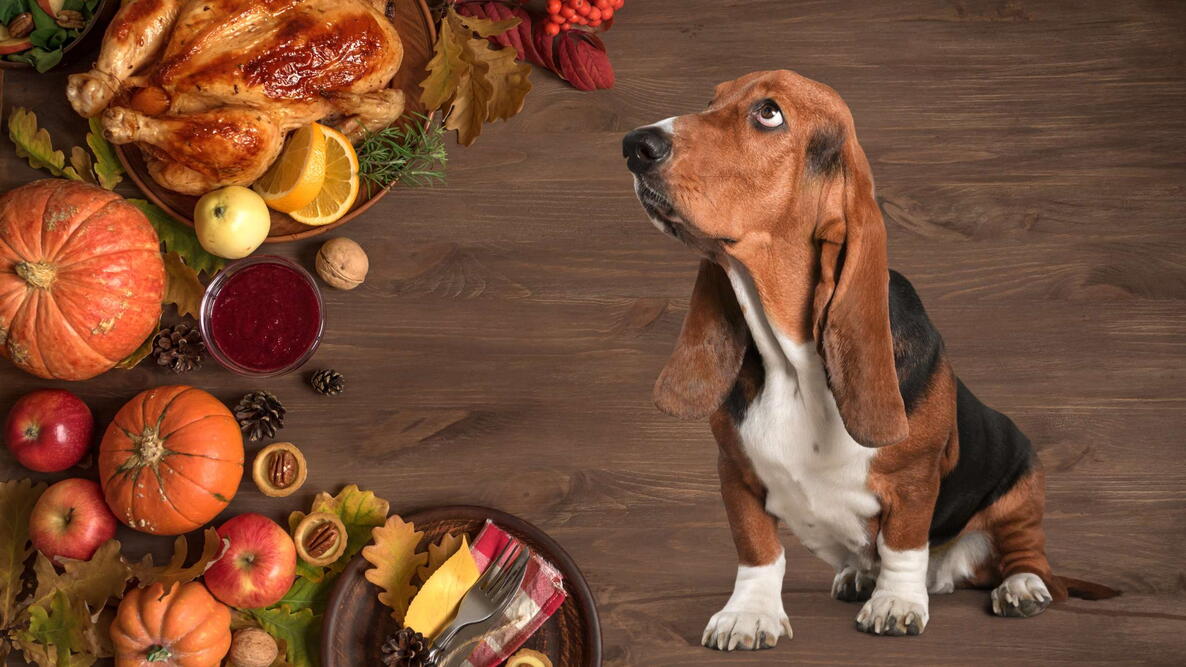
The holiday season brings with it a spread of delicious foods that can be tempting to share with your furry friends. However, it’s crucial to understand why some traditional holiday foods, like turkey legs at Thanksgiving, are not safe for dogs and what alternatives you can offer to keep them happy and healthy.
Why Some Holiday Foods Are Harmful
- Turkey Legs: These can be particularly dangerous for dogs. Turkey bones, especially cooked ones, can splinter and cause choking or serious damage to your dog’s digestive tract. Additionally, turkey skin is often seasoned with garlic, onions, and spices that are toxic to dogs.
- Ingredient Awareness: Many holiday dishes contain ingredients that are harmful to pets. For example, onions and garlic are toxic to both dogs and cats, causing gastrointestinal upset and potentially leading to red blood cell damage. Sweets and baked goods may contain xylitol, a sugar substitute that is extremely poisonous to pets.
How Food is Prepared
- Oils and Butter: Foods cooked with lots of butter, oil, or other fats can lead to pancreatitis in pets, a serious and painful condition.
- Spices and Seasonings: Many seasonings used in holiday cooking can be harmful to pets. For example, nutmeg, often used in pumpkin pie, is toxic to pets and can cause seizures and central nervous system problems.
Safe Alternative Treats
Instead of offering risky table scraps, consider these safer treat options that can be just as enjoyable for your pets:
- Freeze-Dried Duck Heads: These are a crunchy, nutritious treat for dogs, providing a natural source of calcium, phosphorus, and trace minerals.
- Turkey Necks: Raw or dehydrated turkey necks are excellent for dental health, helping to clean teeth as your pet chews. Ensure they are appropriately sized for your pet to avoid choking hazards.
- Sustainably Harvested Fish Skins: Rich in omega-3 fatty acids, fish skins are a great treat for supporting skin and coat health. They’re also crunchy and enjoyable for most dogs.
By being mindful of what foods and treats you offer your pets during the holidays, you can ensure they enjoy the season safely. Always check with your veterinarian before introducing new treats into your pet’s diet, especially if they have specific health concerns or dietary needs.
Seasonal Dietary Changes for Pets

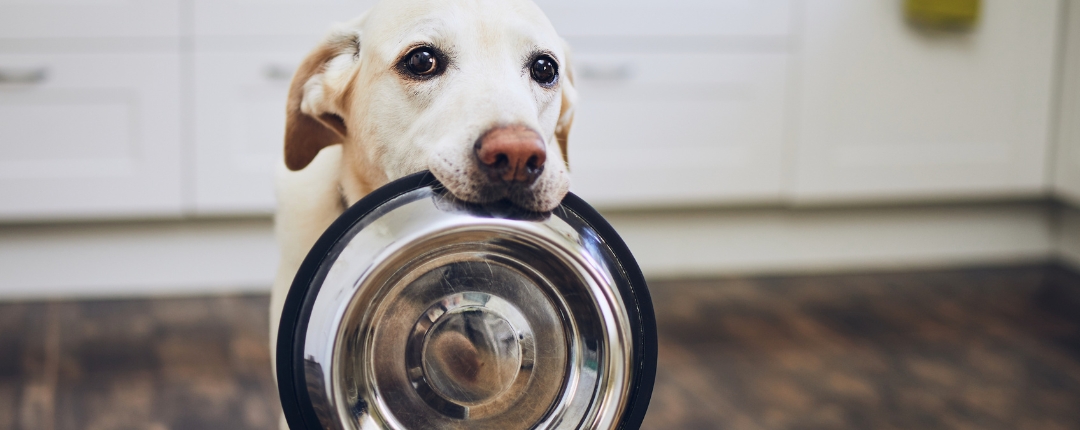
As the fall and winter months bring cooler weather and shorter days, pets may become less active. This decrease in activity can lead to weight gain if their diet isn’t adjusted accordingly. It’s important to consider the specific caloric needs of different breeds and sizes of pets and to choose high-quality foods that support their health and weight management during these seasons.
Caloric Requirements for Common Breeds and Sizes
- Small Dogs (e.g., Chihuahuas, Pomeranians): These dogs generally require between 200-400 calories per day, depending on their activity level.
- Medium Dogs (e.g., Border Collies, Bulldogs): Typically need about 700-900 calories per day.
- Large Dogs (e.g., Golden Retrievers, German Shepherds): May need 1200-1600 calories daily, with adjustments based on their activity.
- Cats: Most average-sized cats need around 200-300 calories per day, but this can vary based on age, weight, and activity level.
During the colder months, it’s essential to monitor your pet’s weight and adjust their caloric intake as necessary. Consulting with your vet can help determine if any dietary changes are needed to prevent weight gain.
Premium Dog and Cat Food Brands

Selecting the right food is crucial for maintaining your pet’s weight and overall health. Premium brands like Farmina, Fromm, Stella & Chewy, Open Farm, Vital Essentials, and Health Extension offer specially formulated recipes that cater to the nutritional needs of pets during less active periods:
- Farmina: Known for its high protein content and low glycemic index ingredients, Farmina helps maintain lean muscle mass while preventing spikes in blood sugar that can lead to weight gain.
- Fromm: Offers well-balanced diets using high-quality proteins and grains that provide sustained energy and help manage weight effectively.
- Stella & Chewy: This brand emphasizes raw, protein-rich diets that are great for digestion and maintaining optimal weight.
- Open Farm: Uses sustainably sourced ingredients to create recipes that are not only healthy but also environmentally friendly, providing well-balanced nutrition that helps keep pets fit.
- Vital Essentials: Focuses on raw and freeze-dried foods, which are excellent for maintaining weight due to their high protein and low carb formulations.
- Health Extension: Offers holistic food preparations with organic and natural ingredients that support a healthy weight and overall wellness.
Why These Brands Are Effective
These premium pet food brands are effective for weight management during the fall and winter because they provide:
- High-Quality Proteins: Essential for maintaining lean muscle mass, especially when pets are less active.
- Balanced Nutrients: These foods are designed to deliver the right balance of proteins, fats, and carbohydrates, which is crucial for managing weight.
- Natural Ingredients: Fewer fillers mean less unnecessary calories, helping to prevent weight gain while still providing full nutritional benefits.
When choosing a food for your pet during the colder months, it’s essential to look for products that align with their specific health needs and lifestyle. Premium brands often offer tailored options that help maintain your pet’s health and wellness, even when their exercise levels might naturally decrease. Always consult with your veterinarian when considering changes to your pet’s diet to ensure their needs are fully met.
Preparing for Fall Events: Holistic Alternatives to Keep Pets Calm

Fall events like Halloween and Thanksgiving can be a source of stress for pets due to increased activity, noise, and unfamiliar decorations. While creating a safe, quiet space for them to retreat is essential, there are several holistic alternatives you can also consider to keep your pets calm during these times:
- Calming Supplements and Treats: There are various natural supplements and treats available that contain ingredients like chamomile, L-theanine, or valerian root which can help reduce anxiety in pets.
- Pheromone Diffusers: These mimic the natural pheromones that mother dogs and cats produce to calm their young. Plugging in a pheromone diffuser near your pet’s retreat area can help soothe and comfort them.
- Soothing Music or White Noise: Playing soft music or white noise can mask the sounds of guests and celebrations, helping to keep your pet calm and relaxed.
- Aromatherapy: Some essential oils, like lavender or frankincense, can have a calming effect on pets when used safely. Always ensure that any oils used are safe for pets and used in a well-ventilated area to avoid overwhelming their sensitive noses.
- Interactive Toys: Provide toys that keep your pet mentally stimulated and occupied, such as treat-dispensing toys, which can help distract them from the noise and activity.
Keeping Pets Safe During Holiday Events

The hustle and bustle of holiday events bring additional considerations for keeping your pets safe:
- Secure Environment: Ensure that all doors and windows are secure during parties to prevent pets from escaping. Microchipping and up-to-date ID tags are crucial in case they do get out.
- Monitor Decorations: Keep holiday decorations out of reach. Tinsel, wires, and glass ornaments can be hazardous if chewed on or swallowed.
- Controlled Introductions: If guests are not familiar to your pet, introduce them slowly. Keep your pet on a leash during introductions if they are known to be nervous.
- Avoid Toxic Foods: Be vigilant about foods that guests may inadvertently leave within reach of pets. Foods like chocolate, grapes, onions, and alcoholic beverages can be toxic to pets.
- Quiet Zone: Maintain a designated quiet space that your pet can retreat to away from the crowd and noise. This area should be comfortable and include their favorite bed, toys, and water.
- Regular Checks: Regularly check on your pet throughout the event to ensure they are comfortable and not showing signs of stress or anxiety.
Implementing these strategies can help ensure that your pets remain safe and stress-free during the excitement of fall and winter holiday events, allowing everyone in the family to enjoy the festive season without undue concern for the furry members.
Related Posts
 Seasonal Dietary Changes for Pets
 Holiday Food Precautions for Pets
 Cold Weather Adjustments for Dogs with Different Coat Types
